
Event date: 10 Feb 2026, LCC
Words by Ana Sofía Goyes, freelance illustrator and MA Illustration graduate, Camberwell (UAL)

On 10 Feb 2026 the Illustration Studies Hub (ISH) hosted a research event exploring collaboration in illustration practice and research. Chaired by Luise Vormittag, the session featured presentations by Yu Feng, Juliet Sugg, and Jayoon Choi, each approaching collaboration from distinct methodological and conceptual perspectives.
Across the three talks, collaboration was framed not only as shared making, but as a broader process involving communities, audiences, affective responses, and technological systems. Together, the presentations examined how illustration can move beyond individual authorship, raising questions about participation, interpretation, responsibility, and control within creative processes.
The event concluded with an open discussion that further reflected on the tensions between structure and letting go that often emerge in collaborative practices.
Yu Feng
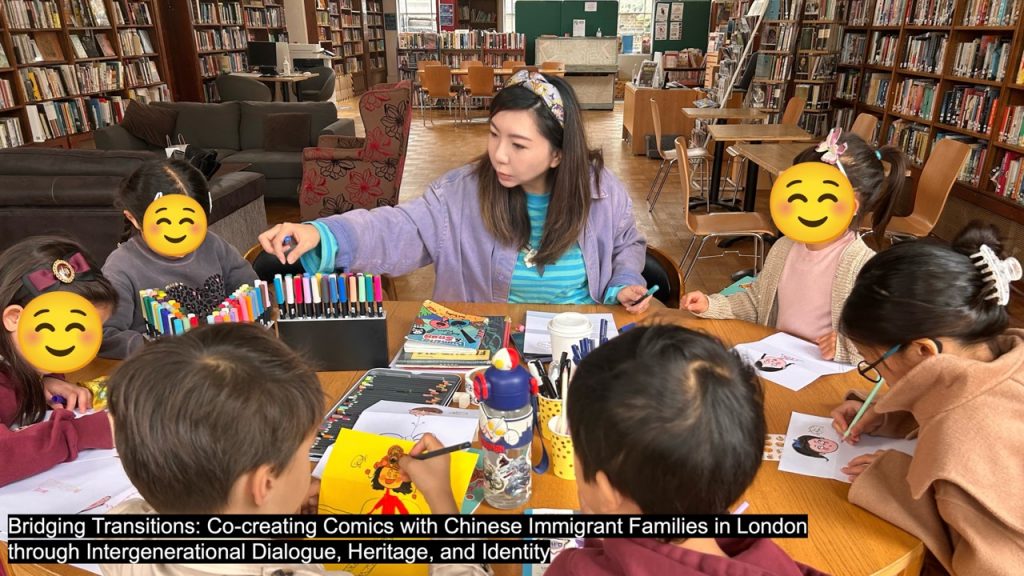
The first presentation was delivered by Yu Feng, a PhD researcher at LCC (UAL), who presented her project Bridging Transitions: Co-creating Comics with Chinese Immigrant Families in London through Intergenerational Dialogue, Heritage, and Identity.
Feng’s research explores comics as a tool for intergenerational collaboration within migrant communities. Working with Chinese immigrant families in London, she facilitates workshops where parents’ migration stories are translated into comic sketches and later used as prompts for children to create their own narratives.
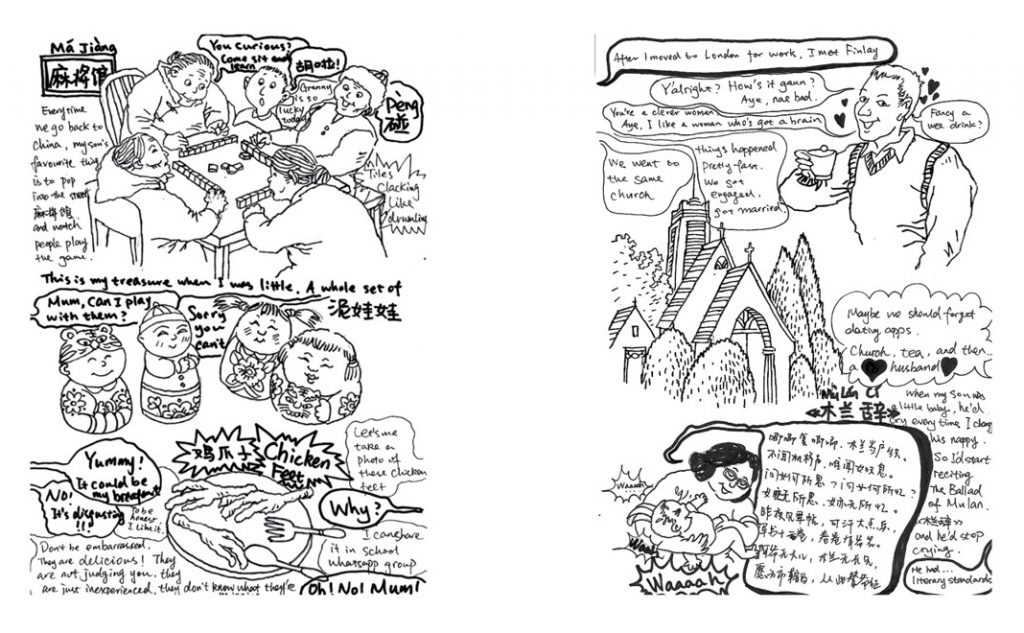
What stood out to me in Feng’s presentation was her use of Laurajane Smith’s (2006) concept of heritage as a lived experience. Rather than understanding heritage as something fixed or monumental, Smith frames it as something continuously shaped through participation, communication, and everyday practices.
Through this methodology, comics function as a mediating tool between generations, producing what Feng describes as “braided voices”, where different perspectives intertwine.
Feng also reflected on her shifting role within the project, describing herself through metaphors such as translator, stage manager, bridge engineer, or DJ, highlighting how illustration-based research often involves facilitating collective narratives rather than producing images individually.
Juliet Sugg
The second presentation was by Juliet Sugg, who introduced her doctoral project A Communion of Monsters, a practice-based investigation exploring the concept of the monstrous feminine through illustration and engagement with horror audiences.
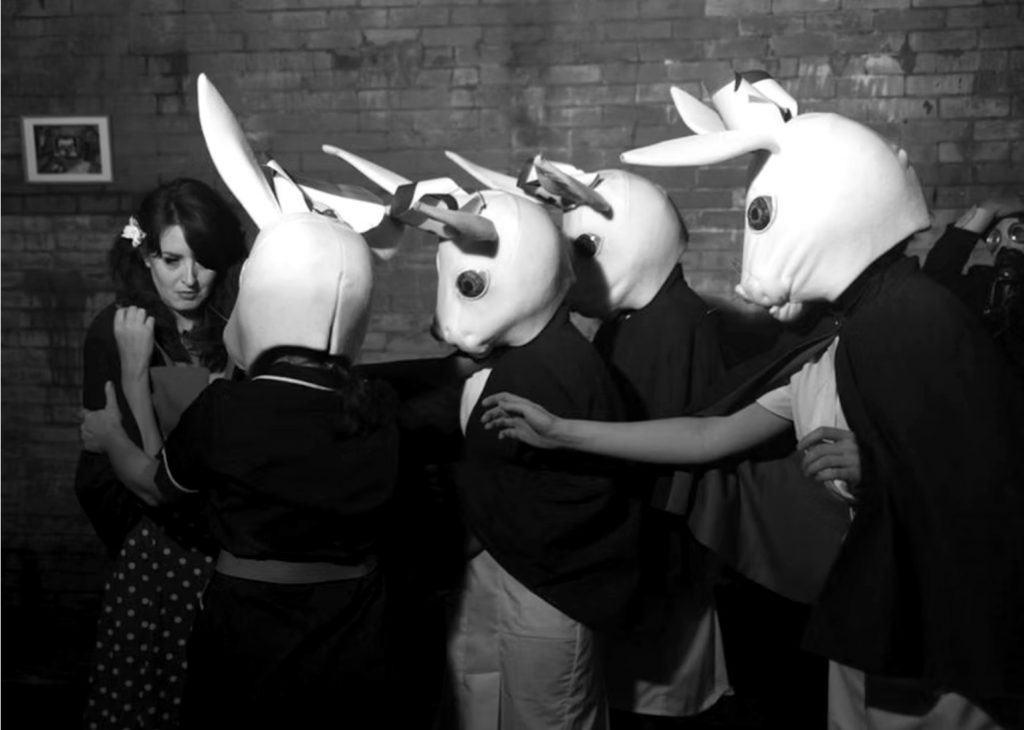
Photo by Smith T.
Sugg began by challenging conventional understandings of collaboration as shared production. Instead, she proposes that collaboration can also occur when the work encounters its audiences: through viewers’ interpretations and their affective responses.
Her research considers horror audiences as collaborators in the production of meaning, bringing their own knowledge, cultural memory, emotional investment, and feminist or queer readings to the interpretation of the work.
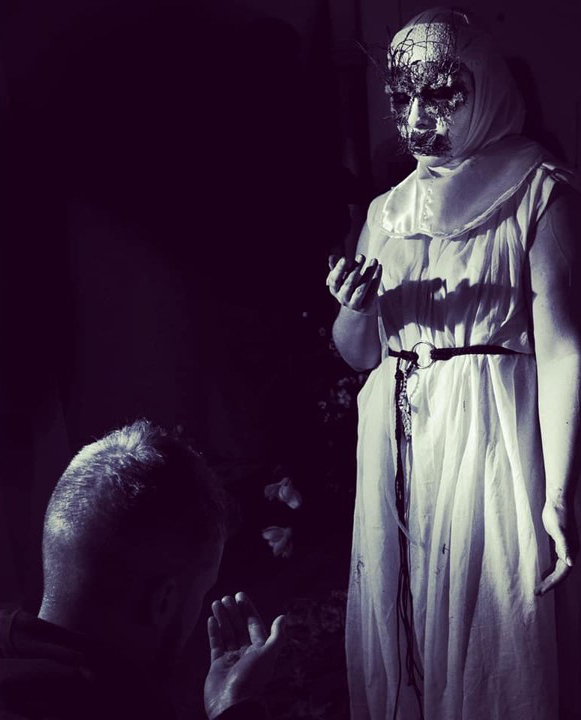
Performance by Lydia Darling.
What I found particularly compelling in Sugg’s presentation was her framing of affect as research material. Emotional and bodily responses to horror—such as fear, pleasure, discomfort, or identification—are not treated merely as reactions but as forms of knowledge. From this perspective, meaning does not simply originate with the artist; rather, as Sugg suggests, “meaning is negotiated, not delivered.”
Jayoon Choi
The third presentation was by Jayoon Choi, artist and Senior Lecturer in Illustration at Camberwell College of Arts, who explored collaboration through the relationship between automatism, technological systems, and machine processes.
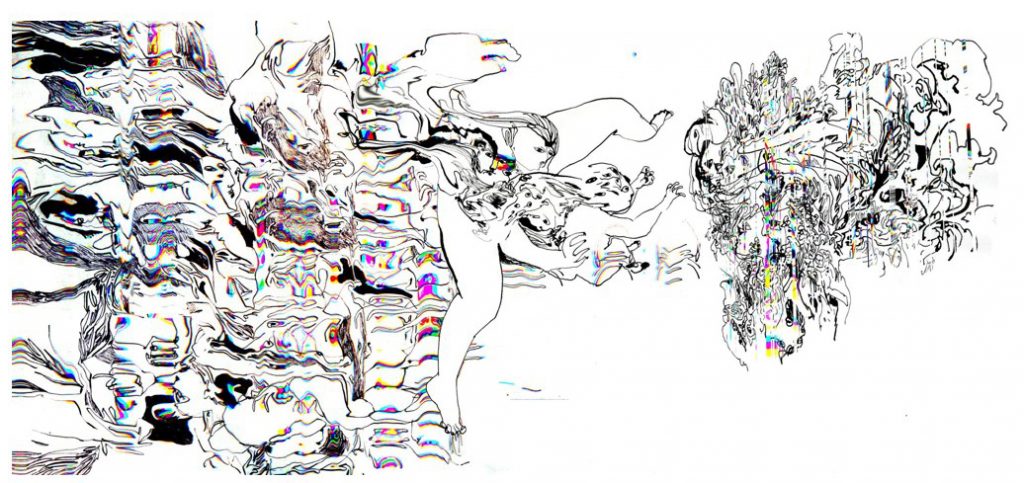
Choi began by reflecting on a sense of repetition within her own practice, which led her to explore automatism and “bad drawing” as ways of undermining artistic control. In these processes, drawing becomes a dialogue in which gestures, accidents, and unexpected forms shape the outcome.
What I found particularly interesting was Choi’s proposal to question the structure of the creative process itself. Rather than following a strictly linear sequence—idea, research, planning, production—her work explores ways of introducing feedback, contingency, and unexpected outcomes into the process.
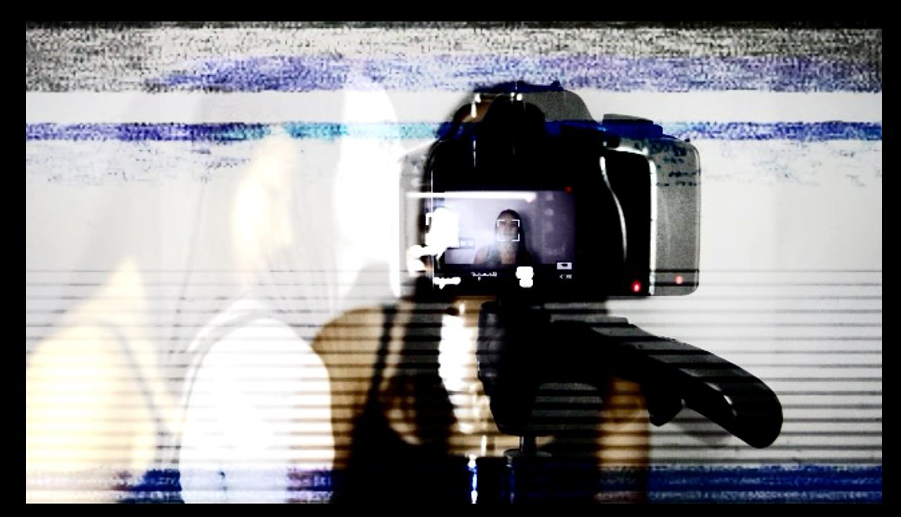
In projects such as Systematic Dialogue, Choi works with cameras and screens that generate visual feedback, where images are recorded, distorted, and reintroduced into the system. In this context, technological systems are not used merely as tools but become part of a dialogic process in which images evolve through interaction between the artist and the technical setup.
Discussion: Collaboration, Control and Letting Go
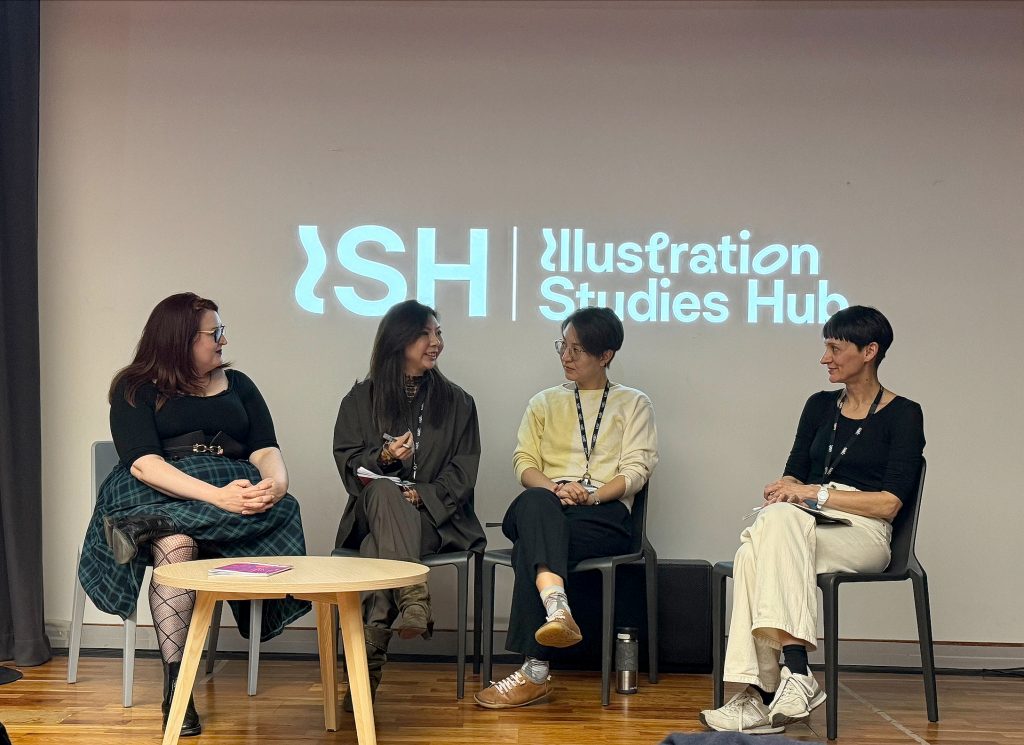
Photo by Haiqi Yang
During the Q&A session, discussion focused on the tension between control and openness within collaborative work.
Several speakers noted that collaboration inevitably requires relinquishing a degree of control. Rather than following a fixed structure, collaborative processes often involve moments of uncertainty where projects shift direction or generate unexpected outcomes.
Participants also reflected on how success in collaboration may not always lie in producing a final object, but in learning, meaningful engagement, and the creation of shared experiences.
Overall, the discussion highlighted that collaboration in illustration involves negotiating a complex balance between control, openness, responsibility, and collective meaning-making.
Reflection
Reflecting on the themes discussed during the event, the question of control within collaborative processes strongly resonated with my own research.
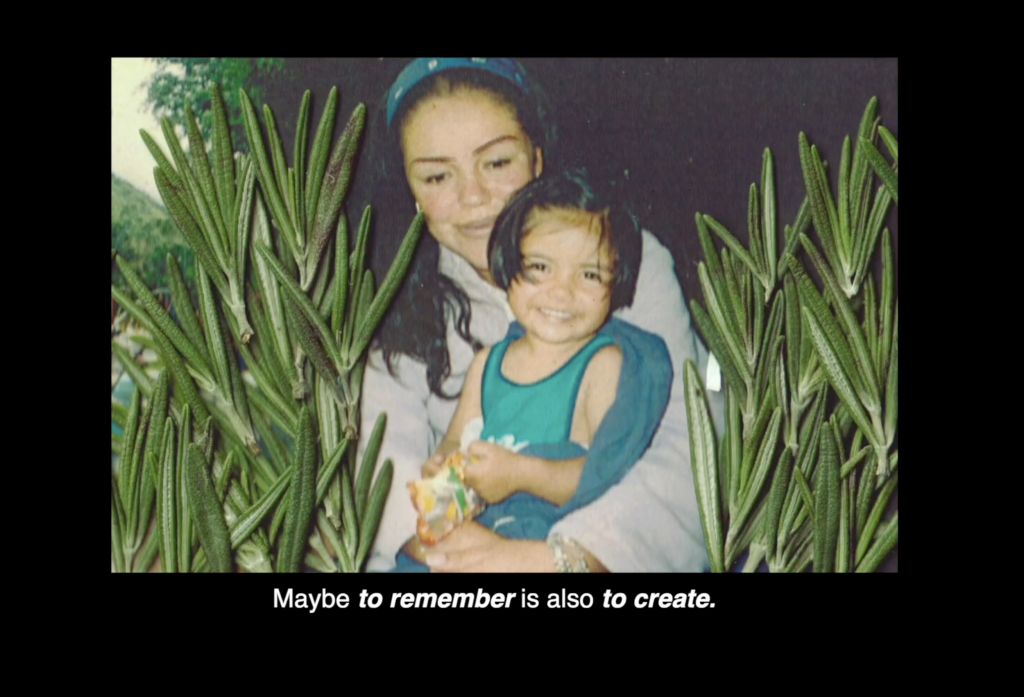
My project, which ultimately resulted in a video essay entitled To Remember, explores how illustration can engage with memory through gestures of familial care, understood as forms of resistance within the Colombian armed conflict. The research is based on a collection of childhood photographs taken by my family between 2000 and 2006. Through interviews with my mother, these images became entry points for reconstructing memories and understanding the emotional context surrounding them.
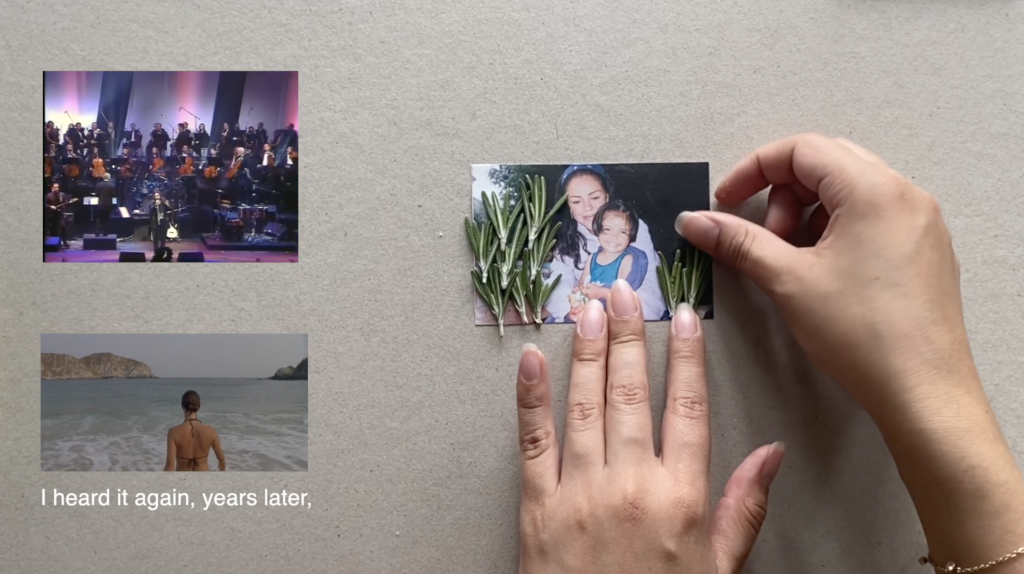
Drawing on Roland Barthes’ concept of punctum in Camera Lucida (1993), I approached the photographs not as fixed archival documents but as triggers for emotional and narrative exploration. Through these conversations, one realisation became central to the project: despite the violent context surrounding us in Colombia, my childhood was full of love. Everyday gestures—bathing, playing, family rituals—functioned as forms of resistance, where care became a response to fear and uncertainty.
In this sense, Yu Feng’s discussion of heritage as a lived experience strongly resonated with my process. The photographs gained meaning not simply as archival objects but through dialogue and shared recollection.
Similarly, Juliet Sugg’s framing of affect as research material echoed my experience during the interviews. My mother’s emotional responses to certain photographs became key moments that guided the direction of my inquiry, revealing the emotional significance of particular memories.
Finally, Jayoon Choi’s proposal to question the structure of creative processes also reflected my experience. While I initially imagined the project unfolding through a clear sequence of steps, writing, researching, and editing soon began to overlap. Allowing space for these unexpected shifts ultimately expanded the possibilities of the work.
My own experiences reinforced the idea that collaborative research often involves letting go of predetermined structures. Rather than fully controlling a project’s direction, meaning often emerges through dialogue, reflection, and unexpected discoveries.
More broadly, the event prompted me to reflect on how collaboration may be inherent to the practice of illustration itself. When illustration is approached as a dialogue between intuition, material processes, collaborators, and context, illustration can be understood as a practice that is much broader than just image-making. It can also function as a way of thinking, listening, and generating meaning collectively.
By Ana Sofía Goyes
Go back
References:
Barthes, R. (1993) Camera Lucida: Reflections on Photography. London: Vintage Classics
Smith, L. (2006) Uses of Heritage. London: Routledge